
NEXT PROJECT:
Pushing the Rock: Three Questions About Race, Law, and the American Experiment
This musical documentary explores the origins and appeasement of systemic racism
In this abolitionist film series, we answer basic questions by using history, music, and stories of regular people with the courage to stand up and say out loud that racism is wrong, even if it is the law.
You’ll meet:
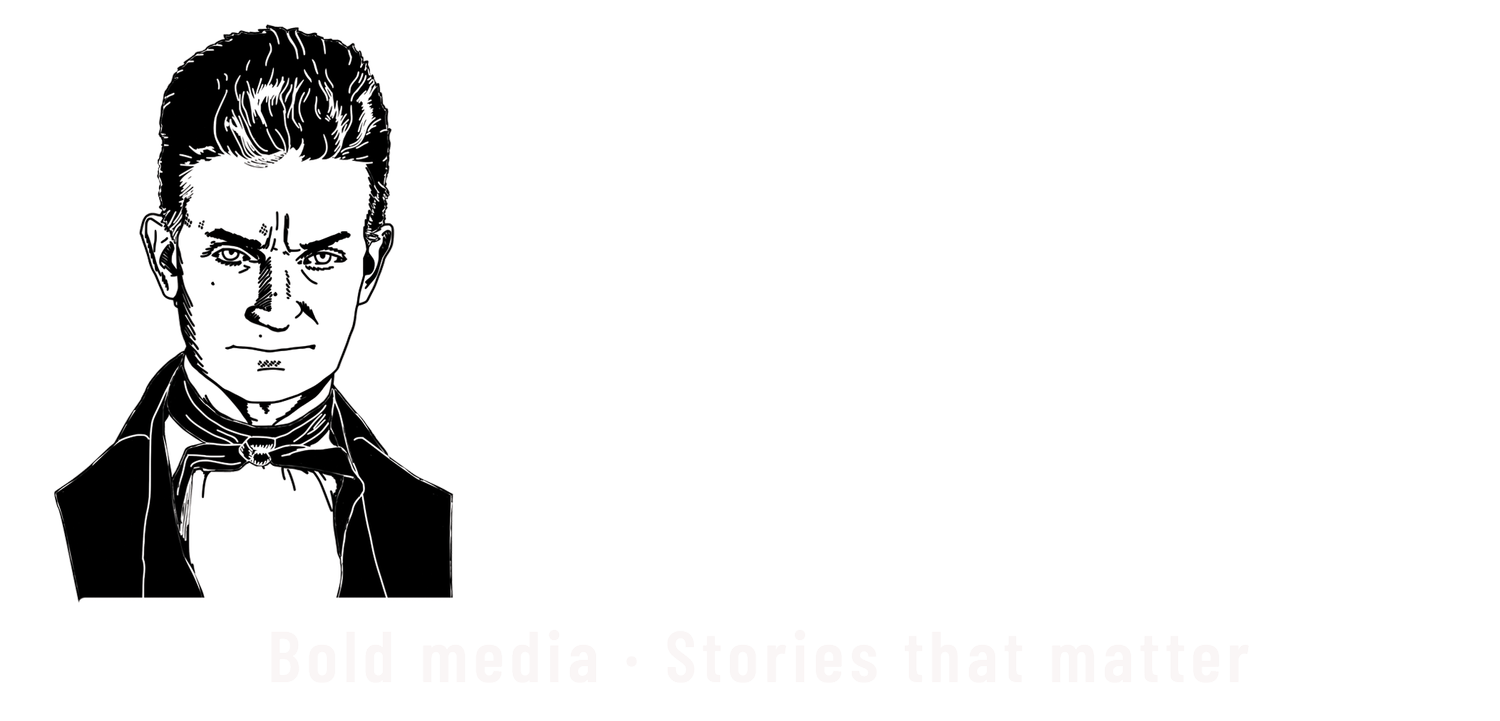
John Brown
Homer Plessy
Ida B. Wells
The Tuskegee Airmen
Dave Brubeck
Louis Armstrong
Malcolm X
THE GOAL: build community
Educate viewers of the terrible truths of white supremacy and systemic racism—not to make them feel guilty or ashamed, but to help them feel solidarity with their community and commit to fixing the problem.
THE METHOD: a melting pot of media
The story is told by scholars and artists, using plain language and common sense, bringing life to average people who stood exceptionally strong.
Music is an informational device. It increases blood flow to the parts of the brain responsible for emotion—it sparks the limbic system when we hear it. A singer can pierce a heart and soul with lyrics that ears may reject.
Dance and dramatizations splash color on the canvas. The combination of devices—interpretive dance, approachable experts, plain language, common sense, folksy narrative, dramatization, and simple infographics—makes the message compelling, easy to digest, and inspirational.
THE EXPERTS: Rock stars and folk heroes
Dr. Louis A. DeCaro, Jr., (retired) most prolific John Brown biographer
Dr. Manisha Sinha, Draper Chair of History, University of Connecticut
Dr. Kathy Bullock, Professor Emerita of Music, Berea College
Brig. Gen. Enoch Woodhouse, A living Tuskegee Airman,
Darius Brubeck, Professor Emeritus of Music, University of KwaZulu-Natal, pianist, composer, son of Dave
Sule Greg Wilson, music historian, storyteller, shaman
Guy Wolf, Bantam, CT
Dave Brubeck Quartet featuring Louis Armstrong
Berea Singers, Berea, Kentucky
Part 1: When Did It End? (premieres Nov, 2026)
Human enslavement as official US policy AS A FOUNDING DOCUMENT, was pretty systemically racist. Yet many today struggle with the question of whether systemic racism still exists. Simple deductive logic tells us that:
IF: Systemic racism existed in before 1800
AND: Systemic racism does not exist today
THEN: At some point in time, it had to go away.
So when did it end?
This film is a timeline walk through post Civil War History to explore the ups and downs of Civil Rights
Music by: Louis Armstrong and Dave Brubeck, Sule Greg Wilson, and Ysanne Marshall
Part 2: KROW (premieres Feb, 2026)
Many Americans have heard of Jim Crow, and they know it is not good. But most also have no idea what it is, where it came from, or what it did.
The name comes from an African American folk song called Jump Jim Crow, which was appropriated by a white minstrel artist, and turned into a national racist-trope sensation. The term came to mean all Black men, and when laws were passed after Reconstruction to make being Black illegal, they openly called them Jim Crow Laws.
Music by: Berea Singers, led by Dr. Kathy Bullock
ACT 3: Before The Battle Hymn (premieres Juneteenth 2026)
How and why history is buried, using the whitewashing of the John Brown song (which celebrated Black empowerment) into Battle Hymn of the Republic (which celebrated white saviorism).
Everyone knows the Battle Hymn, but bo one knows it’s roots are in human equality.
This poster describes the general idea of the film, Pushing the Rock. Click it to embiggen it.